When an AI automation project underperforms, the postmortem almost always starts by scrutinizing the model. Was the prompt wrong? Was the training data insufficient? Was the wrong algorithm chosen? These questions are rarely where the real problem lives.
In our experience, the individual steps in a workflow, the actual task each AI component performs, work about as well as advertised. The failures that actually sink these projects happen in the handoffs: the moments where output from one step becomes input to the next, often crossing a boundary between systems, teams, or tools that nobody explicitly owns.
Most AI automation is pitched and evaluated task by task. "Can the model classify this document correctly?" "Can the agent draft an accurate response?" "Can the system extract the right fields from this form?" These are answerable, testable questions, and vendors are happy to demo strong answers to them.
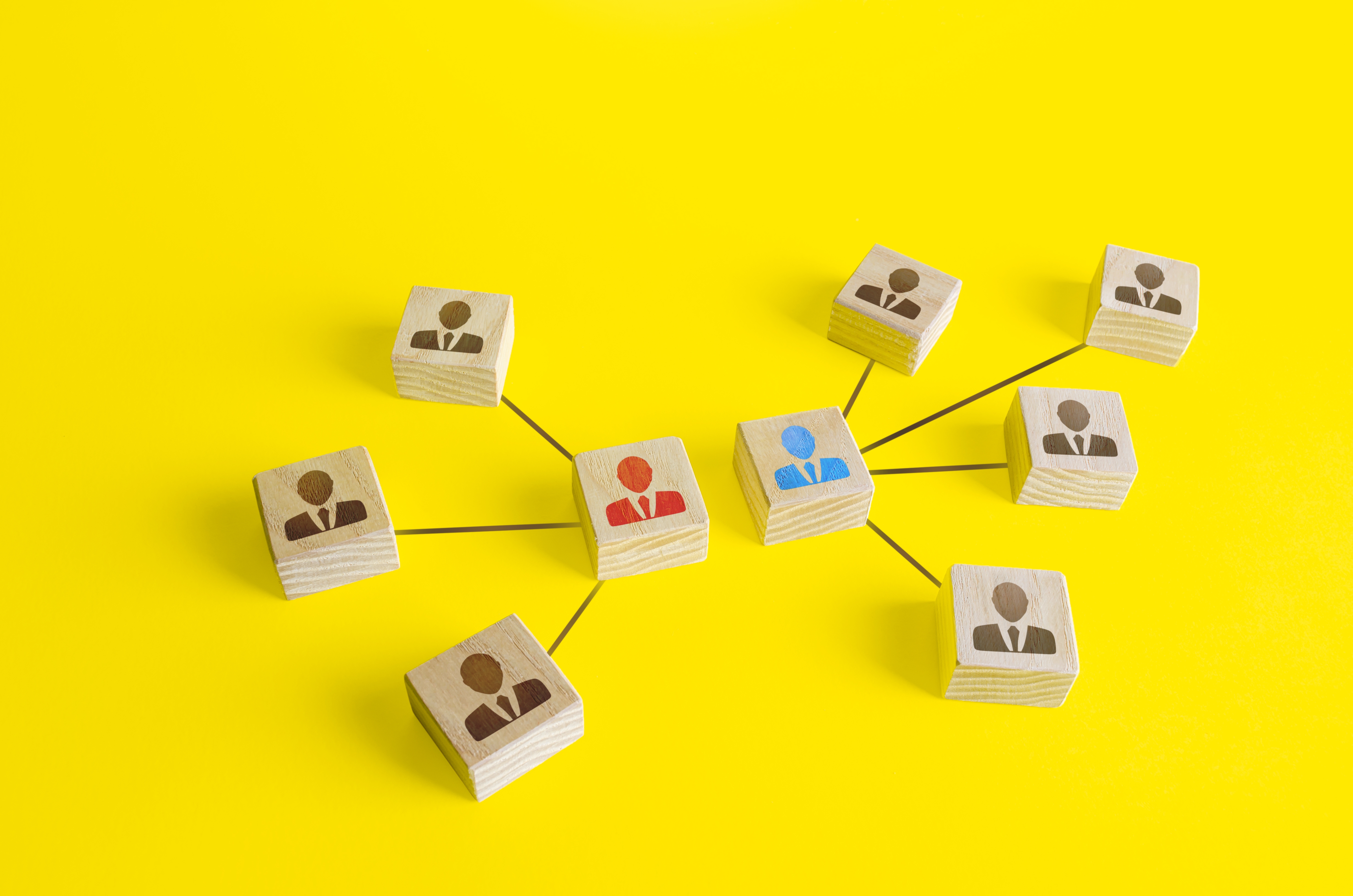
But almost no real business process is a single task. It's a chain: a lead gets enriched, then scored, then routed, then followed up on. A document gets extracted, then validated, then filed, then triggers a downstream action. Each individual link can work close to perfectly in isolation and the chain can still fail, because the failure isn't in any one task, it's in what happens at the seam between two of them.
We see the same handful of failure patterns repeatedly:
The fix isn't more sophisticated models at each step, it's explicit ownership and testing of the transitions between them. In practice this means a few concrete things: mapping the full workflow end to end before building any single piece of it, so the handoffs are visible on a whiteboard before they're invisible in production; deciding, for every handoff, what happens when the upstream step is uncertain or fails, not just when it succeeds; and testing the full chain with real, messy data rather than testing each component separately against clean synthetic examples.
Teams that do this well often build a thin, deliberately simple integration layer whose entire job is to sit at each handoff and enforce a contract: expected format, minimum confidence threshold, and a defined fallback. This layer is rarely the impressive part of the system, and it's usually the part that determines whether the system survives contact with real-world data.
This is precisely the kind of cross-functional, edge-to-edge problem that point solutions consistently miss, because most AI tools and most AI vendors are built and evaluated on a single task, not on the handoffs between tasks. A workflow is only as reliable as its weakest seam, and the seams are exactly where individual-task benchmarks stop measuring anything at all.
If your organization has already automated the individual steps of a workflow but the end-to-end result is still inconsistent, the fix usually isn't a better model. It's an honest audit of what happens at every handoff, and who's actually responsible for it.




.webp)